
Choosing the right booth design can make or break your exhibition’s success. While traditional wood carpentry has been the go-to for decades, cardboard exhibition display and stands are increasingly proving they’re more than just a lightweight alternative — they’re the smart, sustainable, and creative choice for modern brands. Let’s dive into the real differences, costs, and advantages between cardboard and conventional booth designs.
The Real Cost of Traditional Wood Carpentry
Wooden booths carry a perception of durability and prestige, but these benefits come with hidden costs. Custom wood carpentry requires significant labour, expensive materials, and often lengthy production timelines. From sourcing quality timber to intricate craftsmanship, the process can delay your project and increase overall budgets.
Beyond initial build costs, transportation of heavy wooden components demands larger trucks, specialised handling equipment, and extra setup labour. These factors not only increase financial costs but add to the carbon footprint of your event, something increasingly scrutinised by attendees and brands alike.
Cardboard: Lightweight Doesn’t Mean Flimsy
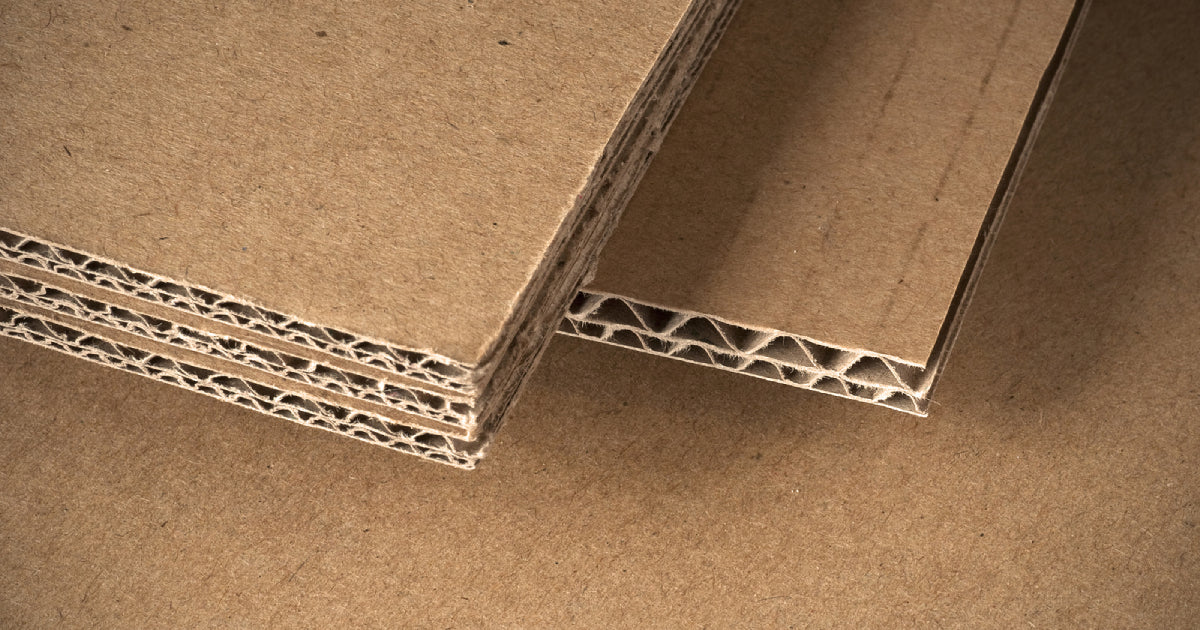
Cardboard exhibition displays and stands are often mistaken for fragile or temporary, but advances in engineering and design have turned this material into a strong and reliable option. High-density, layered cardboard combined with smart structural design allows for stands that can support significant weight, withstand busy event environments, and offer impressive durability throughout the show duration.
Unlike wood, cardboard’s lightweight nature makes setup and teardown faster and easier, reducing labour costs and onsite complications. Its portability means fewer hands needed on deck, less risk of damage during transport, and greater overall efficiency.
Sustainability and the Carbon Footprint Equation
Sustainability has become a key driver in event planning. Wooden booths require resource-intensive forestry, chemical treatments, and produce waste when discarded. Conversely, cardboard is primarily made from recycled materials and is 100% recyclable after use, significantly lowering landfill impact.
Moreover, cardboard’s reduced weight means transportation generates fewer emissions, and many cardboard components are designed for reuse across multiple exhibitions. Choosing cardboard reflects a commitment to sustainability that resonates strongly with today’s eco-conscious audiences and stakeholders.
Time, Labor, and Transport: What You’re Really Paying For
When budgeting for an exhibition, the cost of materials is only the beginning. Traditional wood booths often involve multiple tradespeople: carpenters, painters, electricians, and riggers, each adding time and labour costs. Delays due to complexity or errors also push timelines and budgets upward.
In contrast, cardboard exhibition displays and stands arrive pre-fabricated, ready to assemble with minimal tools or specialist skills. The time saved in setup and dismantling means lower labour costs and more control over your schedule. Additionally, cardboard packs flat, reducing transport volume and frequency, lowering logistics expenses.
Design Flexibility: It’s Easier to Get Creative with Cardboard
Wood may be classic, but it’s not always the easiest medium for bold, intricate, or rapidly changing designs. Cardboard’s versatility shines here: it can be laser-cut, folded, and printed with vivid graphics, allowing brands to experiment with shapes, textures, and colours in ways traditional booths can’t match.
This adaptability means you can customise your booth to suit each event or campaign with less cost and waste. Whether it’s sculptural furniture, unique displays, or interactive elements, cardboard lets creativity flourish without sacrificing sustainability.
Which One Tells a Better Brand Story?
Your exhibition booth isn’t just a backdrop, it’s a narrative tool that communicates your values and personality. Wood may suggest tradition and solidity, but cardboard exhibition displays and stands broadcast innovation, sustainability, and forward-thinking.
With the growing importance of eco-conscious branding, cardboard helps brands stand out as responsible and modern, connecting with audiences on shared values. The material choice becomes part of your story, speaking volumes without words.
The Verdict: Function, Impact, and the Smart Choice
When you weigh durability, cost, environmental impact, and design flexibility, cardboard clearly emerges as a winner for many brands. It combines strong function with sustainability, speeds up logistics, and encourages creative freedom; giving you an edge in competitive exhibition halls.
Conclusion
Choosing between cardboard and conventional wood carpentry means balancing tradition with innovation, cost with impact, and aesthetics with sustainability.
Paper Carpenter offers expertly designed cardboard exhibition stands and booths that deliver strength, style, and eco-friendly appeal. Ready to elevate your next event? Explore how our cardboard solutions can make your brand booth truly stand out. For more information, do not hesitate to reach out to us today.