
Attending an exhibition for the first time is equal parts exciting and overwhelming. There is a lot to organise, and without prior experience, it can be difficult to know where to start or which decisions matter most.
The good news is that a well-run exhibition booth does not require a huge budget or years of experience. It requires clear thinking, solid preparation, and knowing what to focus on at each stage of the process.
Step 1: Start with Your Goal
Before you think about layouts, display materials, or what to pack on the day, get clear on what you want to achieve from attending. This single step shapes almost every decision that follows.
Are you trying to generate new leads? Launch a product? Build brand awareness in a new market? Reconnect with existing clients? Each of these objectives calls for a different approach, a different kind of exhibition booth design, and a different way of engaging with visitors. Going in without a defined goal is one of the most common mistakes first-timers make, and it usually results in a booth that tries to do everything and ends up doing very little well.
Write your goal down and keep it visible throughout the planning process. Every decision you make should serve that goal.
Step 2: Understand Your Space Before You Design Anything
Once you receive your exhibitor confirmation, obtain the floor plan and study it carefully. Where is your booth positioned relative to the main entrance? Which direction will most foot traffic be coming from? Are you in a high-traffic zone near a main walkway, or tucked away in a quieter area?
Understanding your physical space is essential before committing to any layout or display decisions. A corner position gives you two open sides and requires a different approach to a booth that sits in the middle of a row. A compact space calls for tight, intentional design. A larger footprint gives you more freedom but also more room to get it wrong.
Pay attention to the practical details too: ceiling height, proximity to power points, whether there are any pillars or obstructions nearby, and what the flow of neighbouring booths is likely to look like on the day.
Step 3: Plan Your Layout with Purpose
The layout of your booth determines how visitors experience your brand, so it deserves more thought than most first-timers give it. A well-planned layout naturally draws people into your space, gives them something to engage with, and makes it easy for your team to start conversations.
Think about flow. Where do you want people to enter? Where should their eye go first? If you are showcasing products or displays, where are they best positioned to invite interaction without creating a bottleneck at the entrance?
This is also the stage where all the components of your booth, your display structures, signage, furniture, and any interactive elements, need to come together as a coherent whole. To stand out in crowded exhibition halls, your space needs to feel considered and intentional, not like a collection of separate parts that happened to end up in the same area.
Step 4: Your Display Is Doing More Work Than You Think
A bold, clean visual presence is one of the most powerful tools you have at an exhibition. Visitors make snap judgments as they walk the floor, and the quality of your display communicates the quality of your brand before anyone says a word.
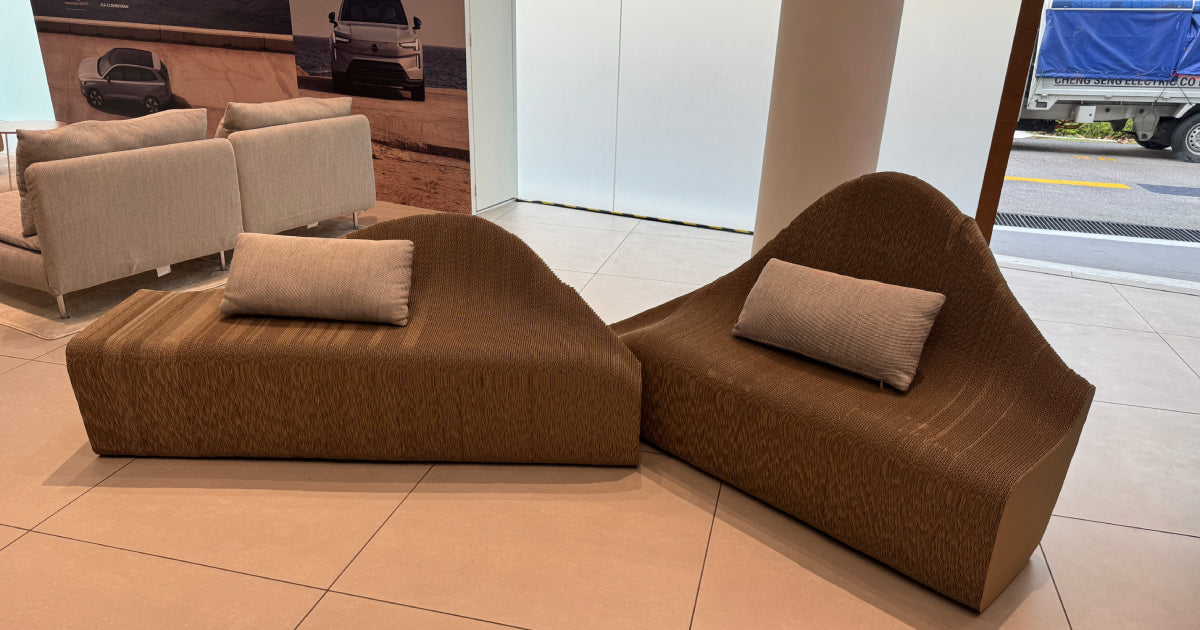
Invest in display materials that are well-made and professionally finished. Choose structures that are sturdy and hold their shape confidently throughout a full event day. Consider the environmental credentials of what you are using, too. Eco-friendly display solutions, such as those made from sustainably sourced cardboard, are increasingly popular with brands that want their event presence to reflect their values and visual identity.
Whatever you choose, make sure it looks just as impressive at the end of the day as it did at the start.
Step 5: Brief Your Team Properly
Your booth is only as effective as the people staffing it. Even the most beautifully designed space will underperform if the team standing in it is unclear on what they are there to do.
Before the event, brief everyone on the exhibition's goal, what to say to different types of visitors, and how to qualify potential leads efficiently. Make sure each person knows who is responsible for collecting contact details, how to handle detailed product questions, and when to bring in a more senior team member.
Consider energy, too. Exhibitions are long, demanding days, and tiredness shows. Plan regular breaks, rotate responsibilities across the team, and make sure everyone arrives prepared and ready to engage. A warm, attentive team will always outperform a polished booth with disengaged staff.
Step 6: Know What to Bring
Exhibition day logistics often catch first-timers off guard. Having a detailed checklist prepared and packed the day before is the simplest way to avoid arriving at the venue missing something important.
Beyond your display materials, think about:
- Business cards and any printed literature
- A lead capture method, whether that is a sign-up sheet, a tablet, or an event app
- Practical essentials such as tape, scissors, cable ties, and a portable power strip
- Refreshments for your team throughout the day
- Products, samples, or any demo materials relevant to your offer
- Contact details for your display supplier in case of any last-minute issues on site
Pack the day before and check the list twice. Arriving stressed and underprepared is avoidable.
Step 7: Follow Up Before the Momentum Fades
Every conversation you have at an exhibition is only valuable if you act on it, and following up is the step most first-timers either delay or handle inconsistently.
Decide on your follow-up process before the event, not after. How quickly will new leads be contacted? Who is responsible for each one? What will you say? Having clear answers in advance means you can move quickly while the conversations are still fresh, rather than scrambling to piece together contact details and context when you are back at your desk the following week.
You Are More Ready Than You Think
Setting up your first exhibition booth is genuinely manageable when you break it down into clear, purposeful steps. The key is knowing what you want to achieve, understanding your space, investing in quality where it matters, and giving your team everything they need to perform at their best.
If you are looking for sustainable, well-crafted display solutions for your next exhibition, Paper Carpenter creates bespoke cardboard structures designed for corporate launches, exhibitions, and promotional events.
To learn more, contact us today!