
Bazaars are having a serious moment in Singapore. Whether it is a night market, a curated food fair, or a festive bazaar, these events draw crowds who come hungry, curious, and ready to discover something new. For F&B brands, that is an enormous opportunity — but only if your booth actually earns their attention.
The challenge is that every stall around you is competing for the same pair of eyes. Familiar trestle tables and plain pull-up banners are easy to overlook. The brands that do well at bazaars are those that take their physical setup as seriously as their food, because the booth is often the first thing a customer experiences before they ever taste a single bite.
First Impressions Happen Before the Food Does
Think about how people move through a bazaar. They scan, pause, photograph, and then queue. Your booth has roughly two to three seconds to interrupt that pattern before someone walks past. That means the visual and physical design of your setup carries real commercial weight.
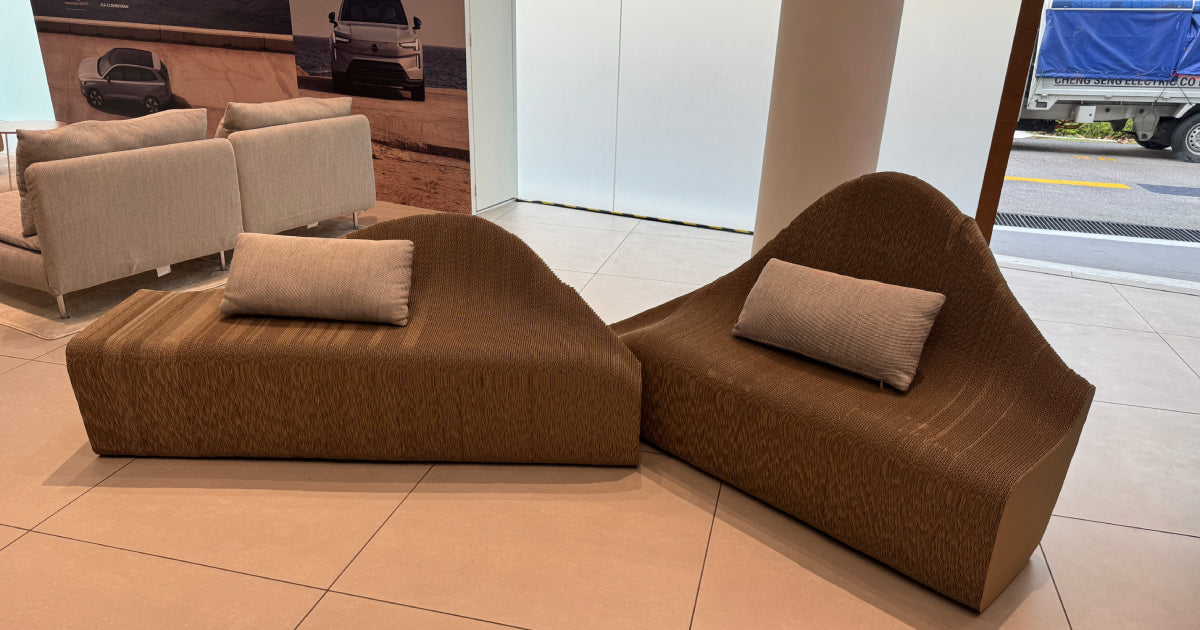
A well-designed pop up booth does not need to be elaborate or expensive to be effective. It needs to be clear, on-brand, and interesting enough to make someone slow their pace. Cardboard structures have become a surprisingly popular choice for F&B brands doing exactly this, offering a textured, distinctive look that stands apart from the sea of generic white tents without requiring a large budget or a specialist contractor.
Bazaars remain one of the most accessible entry points for F&B brands looking to build a following and test new concepts without committing to a full brick-and-mortar operation, and the look of your booth plays a bigger role in that than most people initially expect.
Ideas That Work for F&B Booths
Getting your booth right does not mean reinventing the wheel. It means making smart choices about the elements that are within your control.
- Lead with your identity, not just your menu. A booth that looks like it belongs to a specific brand will always outperform one that looks like a placeholder. Use your brand colours consistently, choose fonts that match your packaging, and make sure your brand name is legible from at least 5 metres away. Cardboard counters and display panels are easy to customise with full-colour printing, making them a practical canvas for smaller brands that want a polished look without a large production budget.
- Give people a reason to stop and look. Structural interest helps here. A booth with varying heights, a branded archway, or a textured counter does more visual work than a flat table with products lined up on it. Some F&B brands have started using cardboard display plinths and shelving units to elevate hero products, creating a retail-style presentation that feels considered rather than improvised.
- Create a reason to linger. Going to a bazaar is a social outing, and people appreciate a booth that acknowledges that. A small seating ledge, a visible preparation area, or even a branded cup holder gives customers a moment to settle in, and that dwell time translates directly into word-of-mouth and repeat visits throughout the event.
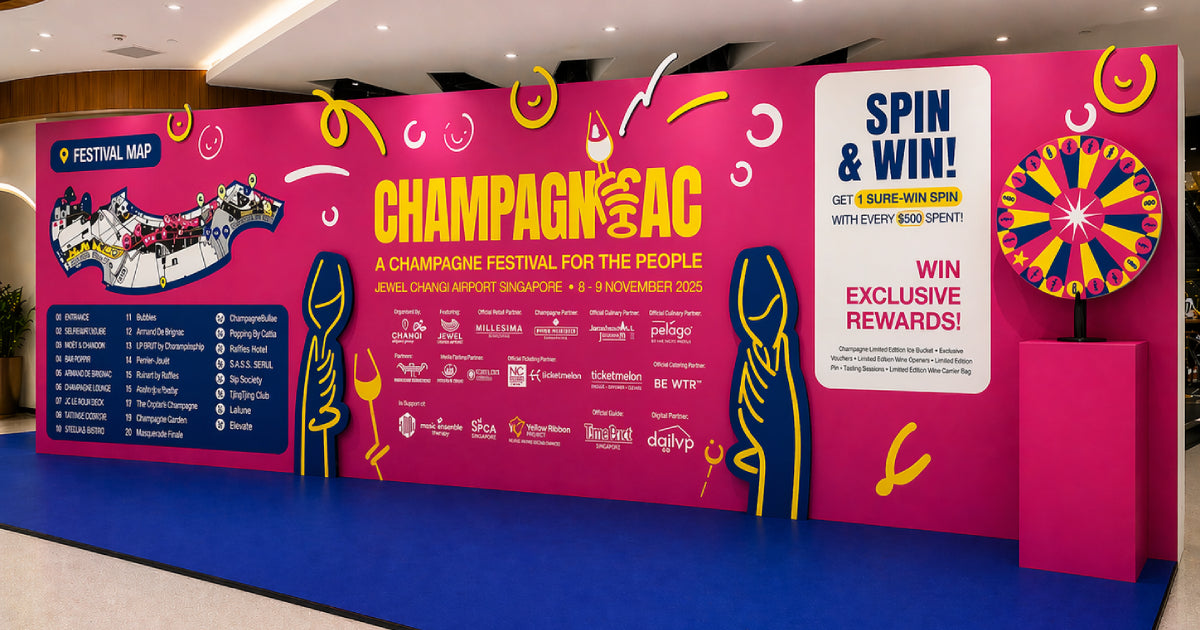
- Think about the photo opportunity. Whether you like it or not, Instagram and TikTok are part of the bazaar experience now. A backdrop with your brand name or a signature visual element gives customers a natural place to take a photo, and every post is organic reach you did not have to pay for. It does not need to be a full installation — even a branded cardboard panel positioned behind your counter can serve this purpose well.
Sustainability Is Becoming Part of the Brand Story
F&B brands operating in Singapore are increasingly aware that their booth materials send a message. Customers, particularly younger ones, notice when a brand chooses recycled or recyclable materials, and they notice when it does not. Singapore’s Green Plan 2030, unveiled in 2021, outlines concrete sustainability targets aligned with the United Nations 2030 Sustainable Development Agenda, and that national conversation is filtering into how consumers evaluate the brands they support, including at bazaars.
Cardboard structures are fully recyclable, lightweight to transport, and require no power tools to assemble or dismantle. For an F&B brand running multiple bazaars throughout the year, this translates into meaningful savings in time, logistics, and disposal costs, while also supporting a sustainability narrative that resonates with today’s audiences. If you are still weighing up materials and what works best at events, the piece on cardboard or conventional booth design lays out the comparison clearly.
Cardboard structures are fully recyclable, lightweight to transport, and require no power tools to assemble or dismantle. For an F&B brand running multiple bazaars throughout the year, this translates into meaningful savings in time, logistics, and disposal costs, while also supporting a sustainability narrative that resonates with today’s audiences. If you are still weighing up materials, a cardboard or a conventional booth design is worth considering before your next event.
The Setup Should Match the Scale

Not every F&B brand needs the same booth. A single-product drink brand has different needs from a multi-item street food concept, and a first-time bazaar participant has different priorities from an established pop-up label doing its tenth event.
The key is to design a setup that is proportionate to your offering and easy to manage on the day. A booth that looks great but takes four people three hours to build is not practical for most F&B teams. Cardboard pop-up structures are designed with this in mind — they are flat-packed for easy transport, quick to assemble without specialist help, and simple to break down once the event wraps up.
Let’s Build Your Next Bazaar Booth
If your next bazaar or market event deserves a booth that turns heads and feels completely on-brand, Paper Carpenter is ready to help you build it. Get in touch with us and let’s create something worth queuing for.