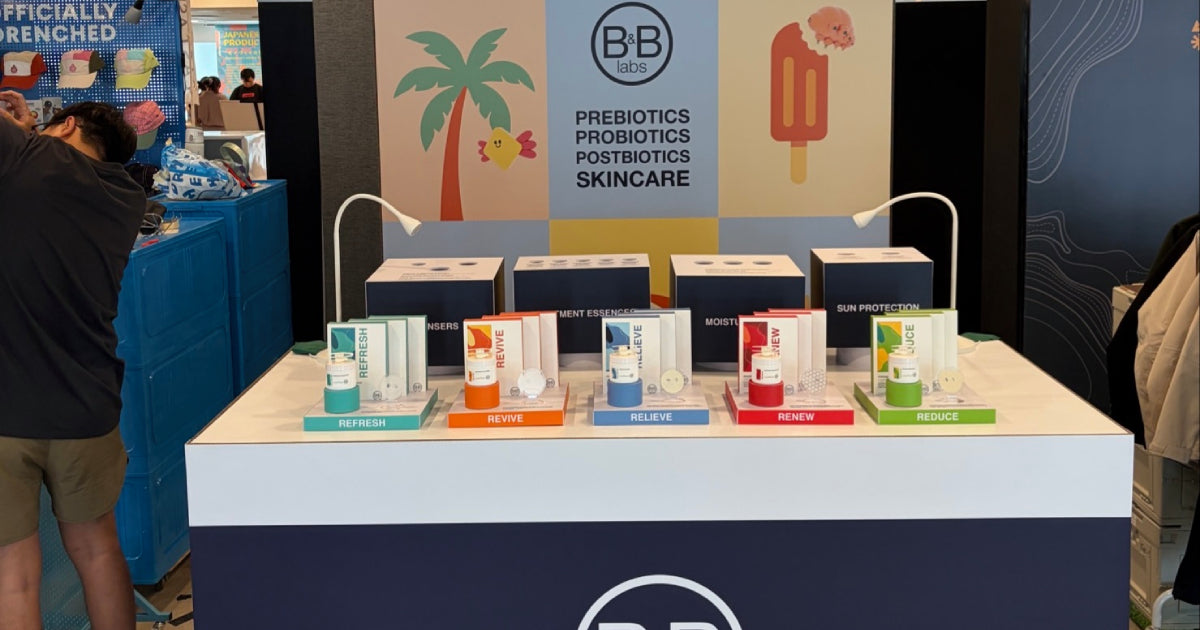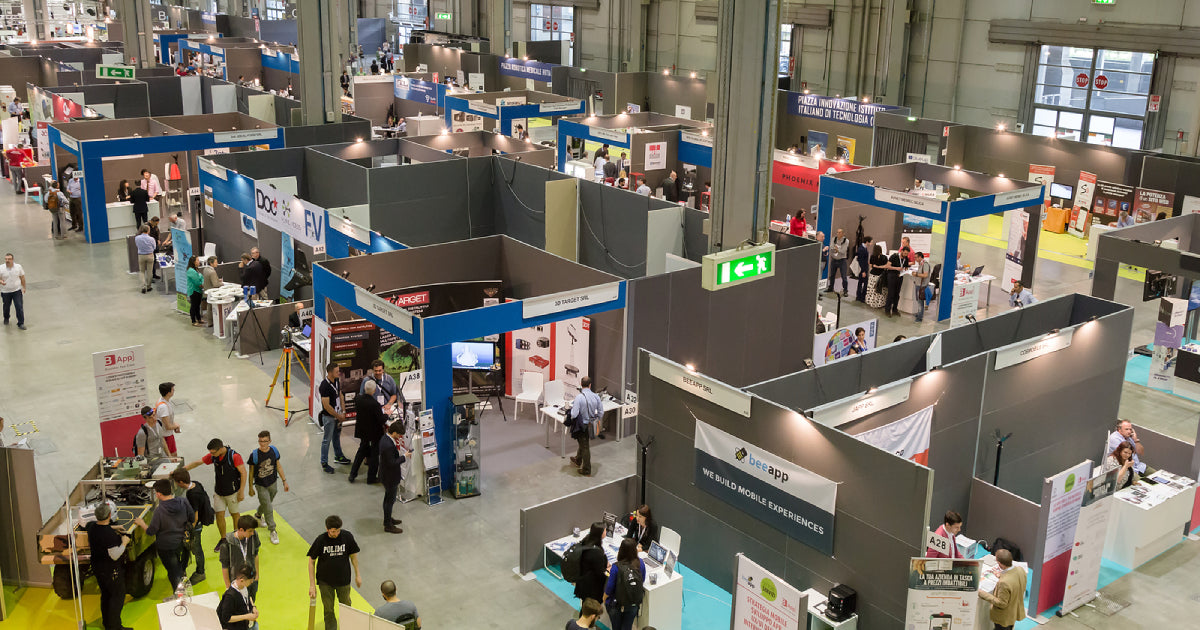

Something quiet but significant is happening across trade shows, retail activations, and corporate events in Singapore. Brands that once defaulted to heavy timber structures, metal frames, and foam-filled fixtures are now choosing something far simpler to build, easier to transport, and kinder to the planet: cardboard.
It might sound like an unconventional swap, but the shift makes a lot of sense once you understand what today’s brands are actually looking for in their event setups.
It Starts With What Brands Actually Need
Gone are the days when a brand’s biggest event concern was “does it look impressive?” Modern marketing and events teams are working with tighter turnarounds, more demanding sustainability briefs, and the need to do more with less. A furniture solution that takes three days to build, a van to transport, and a skip bin to discard afterwards simply does not fit that brief anymore.
Cardboard pop-up furniture slots neatly into this new reality. Flat-packed and lightweight, it can be shipped across the island in the back of a car, assembled by two people without tools, and broken down after the event for recycling. For a pop up booth that needs to go from warehouse to show floor to teardown within 48 hours, that kind of flexibility is genuinely game-changing.
The Sustainability Pressure Is Real

Brands are not making this switch on a whim. There is growing pressure from both regulators and consumers to reduce waste, and events are among the most visible areas where that pressure is felt.
Packaging and materials waste, including plastics, make up about one-third of domestic waste disposed of in Singapore as of 2023, according to the National Environment Agency. At the same time, the Singapore Green Plan 2030, launched in 2021, is driving a whole-of-nation movement to advance sustainable development and position Singapore to achieve net-zero emissions by 2050. Businesses operating in this environment are expected to align their practices accordingly, and event setups are increasingly part of that conversation.
For marketing managers and corporate CSR teams, choosing cardboard furniture over conventional materials is one of the more tangible, visible ways to demonstrate that commitment. It is a choice that shows up in photos, gets noticed by attendees, and reinforces a brand’s sustainability narrative in a way that a press release simply cannot.
It Photographs Well and Tells a Story
Here is something that does not always get mentioned: cardboard furniture is genuinely striking. The natural texture, the clean geometric lines, and the way it takes custom printing all contribute to a booth that feels considered and distinctive rather than generic.
This matters enormously in an era where an event booth lives far beyond the event itself. Every photo shared on LinkedIn or Instagram, every media feature, every post-event recap extends the life of that installation. Brands are increasingly aware that their physical setup is also a content asset, and cardboard consistently delivers on that front in a way that more conventional materials simply do not.
This matters enormously in an era where an event booth lives far beyond the event itself. Every photo shared on LinkedIn or Instagram, every media feature, every post-event recap extends the life of that installation. Brands are increasingly aware that their physical setup is also a content asset, and there is a lot more to standing out in a crowded exhibition hall than most teams initially realise.
The Practical Wins Are Stacking Up

Beyond the aesthetics and sustainability story, there are some very practical reasons brands keep coming back to cardboard for their event furniture.
Setup time is dramatically reduced since cardboard pop-up furniture is designed for fast assembly, meaning fewer man-hours on the ground and less reliance on specialist contractors. Costs also come down across the board, with lower material costs, cheaper logistics, and no disposal fees making for a noticeably leaner event budget. Customisation is equally straightforward, as cardboard can be adapted to brand colours and bespoke shapes without the lead times or costs associated with timber or metal fabrication. And when the event wraps up, cardboard can be broken down and recycled rather than heading to landfill, which aligns directly with Singapore’s broader circular economy goals. For brands running multiple activations a year, these savings and efficiencies add up fast.
Who Is Leading the Charge?
It is not just scrappy start-ups or eco-focused NGOs making this switch. Established retail brands, financial institutions running roadshows, and corporate teams organising internal events are all gravitating towards cardboard furniture. The demographic driving these decisions tends to be marketing leads and event managers in the 25 to 44 age range, people who care about both aesthetics and accountability, and who understand that the two do not have to be in conflict.
Creative agencies, in particular, have embraced cardboard as a material that gives their clients something worth talking about, rather than another forgettable booth that blends into the background.
Ready to Make the Switch?
The shift to cardboard pop-up furniture is not a trend that is going to reverse. As sustainability expectations continue to rise and brands look for smarter ways to show up at events, the case for cardboard only gets stronger.
If you are planning an activation, roadshow, or exhibition and want a setup that looks great, travels light, and leaves less behind, Paper Carpenter is ready to help you bring it to life. Get in touch and let’s build something worth remembering.